The Bedding Edit
A Guide to Silk Comforter Weight, Fill, and Seasonal Warmth
A comforter’s temperature is not determined by a label alone. Its filling, shell, construction, bedding layers, and the room around it all shape how it feels through the night. Here’s how to read those details and choose a silk comforter that suits your season and sleep style.
There is an art to sleeping comfortably: enough warmth to feel cocooned, enough breathability to avoid waking overheated, and a weight that feels reassuring rather than restrictive. A silk comforter can bring these qualities together, but “silk” is only the beginning of the story. Fill quantity, shell fabric, stitching, and the way the comforter is used alongside sheets and a duvet cover all matter.
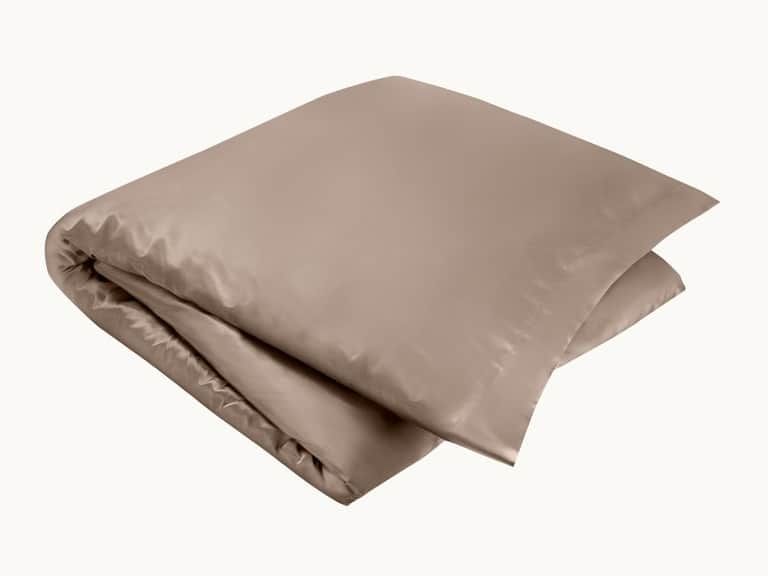
That distinction is particularly useful when considering a lightweight option such as the Summer Weight Silk-Filled Comforter with Silk Shell. Its description identifies a 16 momme charmeuse silk shell and AAA double-strand mulberry silk fill, a combination designed for a lighter, breathable layer. Understanding what those specifications do—and do not—tell you makes it easier to decide whether a summer-weight comforter belongs in your year-round bedding plan.
This guide explores silk comforter weight, silk fill, seasonal warmth, and practical layering. The goal is not to prescribe one ideal bed, but to help you understand the choices that can make a sleep environment feel considered and personal.
What does comforter weight really mean?
Weight can refer to more than one measurement. The total weight of a comforter includes its shell, filling, stitching, and finishing details. Fill weight describes the amount of filling used inside it. Fabric weight, often stated separately for silk, refers to the density of the shell material. These figures describe different things, so they should not be treated as interchangeable.
For silk fabric, the term momme is a measure of fabric weight. A higher momme figure generally indicates a heavier, denser silk fabric, but it does not tell you how much silk filling is inside a comforter or precisely how warm the finished piece will feel. In the summer-weight example above, 16 momme describes the charmeuse shell—not the total comforter weight or a warmth rating.
Fill weight is more directly relevant to insulation. In broad terms, more filling can mean more warmth, while less filling may create a lighter, airier layer. Yet fill type and construction influence how that filling behaves. A compact, dense comforter and a lofty one can feel quite different even if their overall weights are similar. Without a stated fill weight or standardized warmth rating, it is wise not to infer an exact temperature range from a product name alone.
There is also the question of perceived weight. Some sleepers like a substantial cover over the body; others prefer to feel less pressure and more freedom of movement. A comforter can be warm without feeling particularly heavy, and a heavier layer is not automatically warmer in a way that suits every person. Consider both insulation and the tactile sensation you enjoy.
The role of silk fill
Silk filling is valued for its soft, flexible character and its ability to create a comfortable layer without the same sensation as a bulky, rigid cover. The precise feel depends on the type and amount of silk used, how it has been prepared, and how evenly it is distributed. Product descriptions may specify silk grade, strand type, or a blend, and these details help explain construction—but do not replace the importance of fill quantity and overall design.
The summer-weight comforter listed here uses AAA double-strand mulberry silk fill inside a charmeuse silk shell. That description gives useful information about materials, but it does not provide a numerical fill weight. If you are comparing options, look for a stated fill amount, a warmth category, or guidance from the maker about intended seasonal use. If that information is not available, ask before making a decision based on assumptions.
Silk’s appeal also lies in the way it sits within a bedding system. A comforter is not experienced in isolation: sheets, sleepwear, room temperature, humidity, and personal metabolism all affect comfort. A breathable filling may help the bed feel less stifling than a poorly matched, overly insulating arrangement, but no material can guarantee a particular night’s temperature for every sleeper.
Descriptions sometimes use terms such as “temperature regulating.” It is helpful to understand this as a description of how a textile may contribute to comfort across changing conditions, not a promise that it will hold the body at one precise temperature. Room climate and individual needs remain significant.
Shell fabric: the surface matters
The shell is the fabric that encloses the filling. It affects touch, drape, breathability, and how the comforter moves across the bed. A silk shell can contribute a smooth, fluid finish, while a tightly woven or heavier shell may feel more substantial. The shell also needs to contain the fill securely and withstand the care routine recommended for the item.
In a silk comforter, shell and filling work as a partnership. The shell shapes the first impression against the hand; the filling contributes loft and insulation. A lustrous surface may catch lamplight softly, but sheen alone cannot indicate warmth. Likewise, a light hand does not necessarily mean a comforter will be too cool: warmth is a result of the complete construction and how it is layered.
Check whether a comforter is designed to be used on its own, beneath a duvet cover, or both. The Summer Weight Silk-Filled Comforter with Silk Shell is described as a lightweight layering piece, with a duvet cover sold separately. A cover can protect the comforter and alter its surface feel, but it also adds another layer of fabric. Depending on the weave and weight of that cover, the finished bed may feel warmer or heavier than the comforter alone.
For example, a silk duvet cover such as the Mocha Silk Duvet Cover offers a 19 momme mulberry silk surface, internal corner ties, and a pearl button closure. It is a separate bedding component, not a comforter or a measurement of the comforter’s fill. Used as a cover, it can keep the insert in place and give the bed a polished finish; its contribution to warmth depends on the complete combination.
Choosing for the season
Seasonal bedding is less about following a calendar and more about responding to the climate of your bedroom and your own sleep preferences. A summer-weight comforter may suit warm nights, a well-heated home, or a sleeper who tends to feel hot. In a cool climate, it can still be useful as a top layer when paired with other bedding. Its value lies in flexibility, not in a fixed promise of summer-only use.
Warm weather
When nights are warm, begin with the lightest arrangement that feels comfortable. A summer-weight silk comforter can offer a gentle covering without the bulk of a heavier winter layer. Keep the rest of the bed in mind: a dense mattress protector, insulating sheets, warm sleepwear, or a heavy duvet cover may change the result. If you often wake hot, try simplifying the layers before deciding that the comforter itself is the problem.
Changing seasons
Spring and autumn are when adaptable bedding earns its place. Temperatures can fluctuate from one night to the next, and bedroom conditions may vary with open windows, heating schedules, and weather. A lighter comforter can be paired with a blanket or an additional cover when needed, then used alone as the room warms. Layering makes it possible to adjust without immediately replacing the entire bedding setup.
Cool weather
In winter, a summer-weight comforter may not provide enough warmth by itself, especially in a cool bedroom or for someone who runs cold. It can still serve as part of a layered arrangement, but consider whether a warmer insert or an additional insulating blanket is more appropriate. Check the maker’s care and use guidance before placing another cover or layer over the comforter, and ensure the finished bed does not become uncomfortably heavy or restrictive.
Rather than choosing on season labels alone, notice the conditions in which you sleep: approximate bedroom temperature, whether heating runs overnight, and whether you tend to wake cold or warm. These everyday observations are often more useful than a generalized description of what a comforter should do in a particular month.
A duvet cover is part of the system
A duvet cover can serve practical and aesthetic purposes. It helps protect the comforter from routine contact and gives the bed a changeable outer layer. Closures and corner ties can help keep the insert aligned, reducing the tendency for it to shift within the cover. These construction details affect how orderly the bed looks and feels, though they do not change the fill amount inside the comforter.
Cover material matters, too. Silk, cotton percale, cotton sateen, and other fabrics each have their own surface character and weave. A light, breathable cover may preserve a more airy impression; a heavier or denser cover may add substance. The result is individual, so consider how you respond to texture and warmth rather than relying on fabric names alone.
Color and finish are the quieter design decisions. A mocha cover can bring depth to pale sheets; ivory or white can make a room feel crisp and open; charcoal can introduce a more graphic note. A silk surface reflects light differently from matte cotton, so the same shade may appear more luminous under a bedside lamp than in daylight. These visual details do not determine thermal performance, but they shape the atmosphere of the room—and the pleasure of making the bed.
If using a cover with a silk-filled comforter, confirm that the cover’s dimensions and closure suit the insert. Internal ties are useful when compatible with the comforter’s loops, but the product details should be checked rather than assumed. A well-fitting cover should allow the comforter to lie smoothly without excessive compression or bunching.
How to choose for your sleep preferences
There is no universal ideal silk comforter weight. A thoughtful choice begins with a few practical questions:
- Do you tend to sleep warm or cool? Your own pattern matters more than a generic seasonal label.
- What is the bedroom like overnight? Heating, ventilation, humidity, and insulation can shift the comfort level substantially.
- Do you prefer a light covering or a more enveloping feel? Thermal comfort and the sensation of weight are related but distinct preferences.
- Will you use a duvet cover? Include its fabric and construction in your assessment of the final bedding combination.
- What does the product description specify? Separate shell momme from fill weight, and look for explicit warmth guidance or care instructions.
- How will you maintain it? Choose a care routine you can follow consistently, and refer to the specific label rather than assuming all silk-filled products can be washed in the same way.
For couples with different temperature preferences, layers can provide a graceful compromise. One person may use a lighter cover while the other adds a blanket on their side, or the bed may use separate layers that can be adjusted independently. This approach can be more comfortable than asking a single comforter to meet two very different needs.
For sensitive sleepers, a breathable, smooth-feeling surface may be appealing, but individual reactions vary. Product claims such as hypoallergenic should be considered alongside personal sensitivities and the complete bedding environment. If allergies are a concern, review materials and cleaning guidance carefully and consult a qualified health professional when appropriate.
Care and longevity
Silk deserves careful handling. A gentle care routine helps preserve the feel and appearance of silk fabrics, but comforters with silk filling may have different requirements from silk sheets or duvet covers. The most reliable instruction is the care label supplied with the specific item. Do not transfer a washing recommendation from one piece of silk bedding to another simply because the outer material sounds similar.
The summer-weight comforter’s listing describes a silk shell and silk fill and notes OEKO-TEX Standard 100 certification. It does not specify a complete washing method in the available details, so consult the manufacturer’s care label or customer guidance before cleaning. Some filled comforters may require professional care or spot treatment rather than a home wash. Avoid harsh detergents, bleach, high heat, or direct sunlight unless the product instructions explicitly permit them.
Using a duvet cover can reduce direct contact with the comforter and make routine bed care more manageable. Regularly airing bedding in a dry, shaded, well-ventilated space may also help refresh it between washes, provided this is consistent with care guidance. Store the comforter clean and completely dry, with enough room to avoid prolonged compression. Careful handling is not an elaborate ritual; it is a way to protect a considered textile from unnecessary wear.
A considered approach to seasonal bedding
The most useful way to think about silk comforter weight is as one part of a larger equation. Fill amount influences insulation; the shell shapes touch and drape; stitching and construction determine how the layers are held together; covers and sheets alter the finished feel. Season matters, but the temperature of the room and the habits of the sleeper matter just as much.
A summer-weight silk-filled comforter can be an elegant choice for warm sleepers and milder nights, and a versatile foundation for layering when conditions change. Before choosing, distinguish shell weight from fill weight, check whether the comforter is intended to be used alone or with a cover, and seek clear seasonal guidance when available. Then let your own experience refine the decision: the right bedding is the one that feels quietly comfortable through the night, not merely beautiful when the bed is made.
Frequently asked questions
Does a higher momme silk comforter feel warmer?
Momme describes the weight of the silk fabric, usually the shell, rather than the quantity of filling. A higher momme can indicate a denser shell, but it does not by itself establish the comforter’s warmth. Fill amount, construction, the cover, and room conditions all contribute.
Is a summer-weight silk comforter only for summer?
Not necessarily. It may work on its own in warm conditions and as a layer in cooler weather. Whether it provides enough warmth depends on your bedroom climate, personal temperature preference, and the other layers on the bed.
Should a silk-filled comforter be used with a duvet cover?
Follow the product’s instructions. A cover can protect the comforter, provide a changeable outer finish, and help secure the insert when its ties are compatible. It also adds another fabric layer, which may affect the overall feel of the bed.
How do I know whether a comforter is warm enough?
Look for explicit warmth guidance or fill-weight details from the maker, then consider your bedroom temperature and whether you tend to sleep hot or cold. If the listing does not provide enough information, ask the retailer for clarification instead of treating the shell’s momme as a warmth rating.
Can I machine-wash a silk comforter?
Do not assume so. Care requirements vary with the shell, filling, and construction. Read the care label for the exact comforter and seek manufacturer guidance if instructions are unclear. A duvet cover may be easier to launder routinely, but it does not replace the care instructions for the insert.